
The story in 60 seconds
Sheeltron's refurbishment line was growing faster than its spreadsheets. Every laptop arrived with a different configuration and condition, and someone had to grade and price it by hand. We built that logic into ERPNext: an identity for every unit, a scored inspection that sets the grade, and pricing by grade and configuration. The line went from 70–80 laptops a day to 100–120+.
Growth was outrunning Excel
Demand for refurbished IT hardware was rising, and Sheeltron's refurbishment operation was growing with it. The operation ran on Excel.
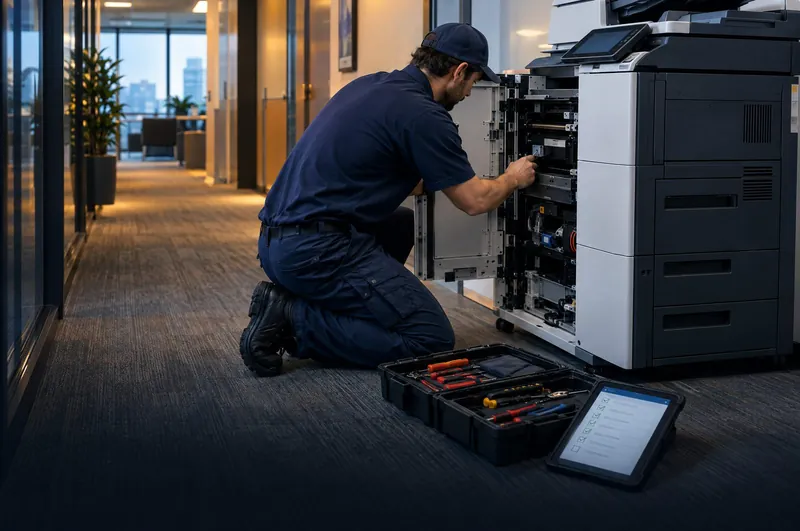
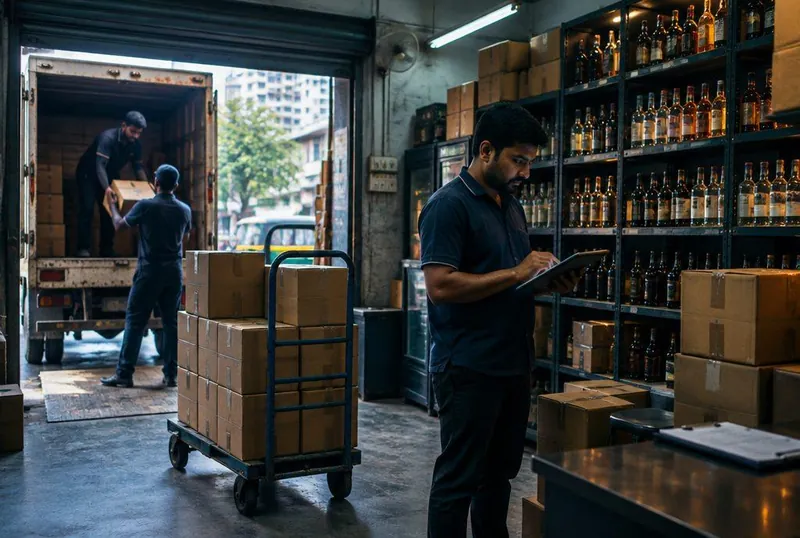
Stock sat in several warehouses with no live view across them, and parts were hard to tell apart from finished machines. Every laptop arrived with its own configuration and condition, and there was no bill of materials for refurbishing one.
Inspection was manual, with no grading. Prices were worked out by hand. Nothing recorded serial numbers, replaced parts or a component's history. At 70–80 laptops a day, the line depended on people coordinating by hand.
Every laptop was a manual decision.
Not an inventory problem
As volumes rose, Sheeltron's leadership named the real issue: this was not just an inventory problem, it was a process engineering problem.
What they needed was a system that understood refurbishment logic, not another accounting or inventory package. That set the brief: put the decisions people were making by hand into the system, one step of the line at a time.
Refurbishment logic, built into ERPNext
Every machine gets an identity when it arrives: serial number, asset tag and barcode, so each later step is traceable. An Item Wizard creates products from brand, configuration and components, which stops duplicate items and keeps names consistent.
Inspection is a set of parameters with a score, and the score sets the grade, A to D. Technicians remove and replace parts while the system checks compatibility and stock. The price follows the configuration, any upgrades or downgrades, and the grade. Stock moves are validated per warehouse, and the external QC system syncs into ERPNext so nothing is keyed twice.
- 1Procurement
- 2Inward
- 3Segregation
- 4Barcode/serial
- 5QC (grading)
- 6Refurbishment
- 7Pricing
- 8Dispatch
A day after go-live
- QC inspectorBeforeInspected by eye, with no gradingNowScores set parameters; the grade, A to D, follows from the score
- TechnicianBeforeSwapped parts with nothing checking stock or fitNowReplaces parts while the system checks compatibility and stock
- PricingBeforePriced each laptop by handNowThe price follows configuration, upgrades and grade
- WarehouseBeforeNo live view across locationsNowEvery stock move is validated per warehouse
What changed
-
100–120+ laptops/day
Production capacity
70–80 laptops/day100–120+ laptops/day -
95–98%
Pricing accuracy
manual / inconsistent (40–50% confidence)95–98% - ~40–60% increase Productivity
-
full tracking
Traceability
not availablefull tracking
What we'd tell a company like this
- Model the process before the stock Refurbishment is a chain of decisions. Once each decision has a rule, the inventory takes care of itself.
- Give every unit an identity at inward Serial number, asset tag and barcode from the first scan make every later step traceable.
- Turn judgement into a score A scored inspection gives the same grade whoever does it, on any shift.