
Your whole business, on one system.
ERPNext set up around how you already work, and the apps, portals and integrations around it.
one team, first workshop to go-live
- 01Business systems
- 02Web platforms
- 03Mobile apps
- 04Integrations
- 05Applied AI
- 06Custom products
Six stages. One database. A core we never patch.
 Listed in Frappe's partner directory
- Your own apps
- ERPNext
- Frappe
so every upgrade stays routine
BRD per module
A requirements document per module. Every line is marked standard, configuration or custom, and quoted from that.
The full method, stage by stage →Eight industries where we have done it before
All industries →



Case studies
All 21 case studies →Sonotech Medical Center stopped reconciling payments by hand
Registration to payroll for 500 to 600 staff on ERPNext, rolled out over two years without stopping the OPD.
~1,000 invoices a dayRead →NewJaisa runs 35,000 refurbished items on two marketplaces
Marketplace orders, inspection workflows and multi-dimensional inventory in ERPNext.
35,000+ SKUsRead →Homzhub tripled what one property manager gets through in a day
The property management pipeline from onboarding to delivery, automated on ERPNext.
3x productivityRead →Four things we make
Everything we build, in the path of a single order
A rep books it on a phone. Four more systems handle it before anyone opens a spreadsheet. We build each of them, and the joins between them.
Apps and connectors we built on ERPNext and Frappe
Several began as work for one client. Each page says plainly whether it runs at a client today.
See all products →What we are building with AI
- A voice agent that phones your suppliers In build
It calls in Hindi, confirms dispatch and delivery dates, and writes the answer to the purchase order in ERPNext. The buyer sees only the exceptions.
- Cameras that decide on the device In build
Detection runs on Jetson Orin or Hailo-8 at the dock or the line, so footage never leaves the site. The system raises an event; a supervisor decides.
- Invoices that post themselves In build
Supplier invoices are read into draft purchase invoices with line-level confidence. Anything below threshold waits for a person.
- The model drafts
- A person decides
- ERPNext keeps the record
Nothing posts on its own: every result lands on an ERPNext record, and a person approves anything below the threshold.
Teams running on what we built
40+ clients across 7+ countries, and counting.
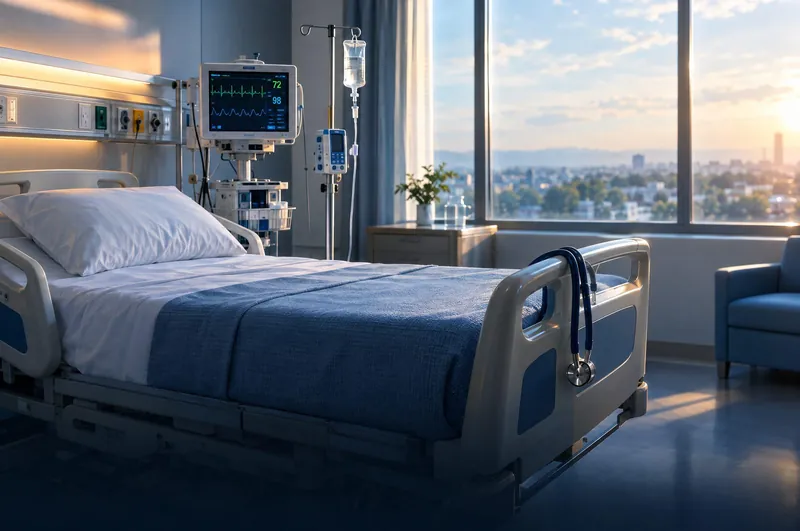
 Healthcare
 Property and real estate
 Education and skilling
 Manufacturing
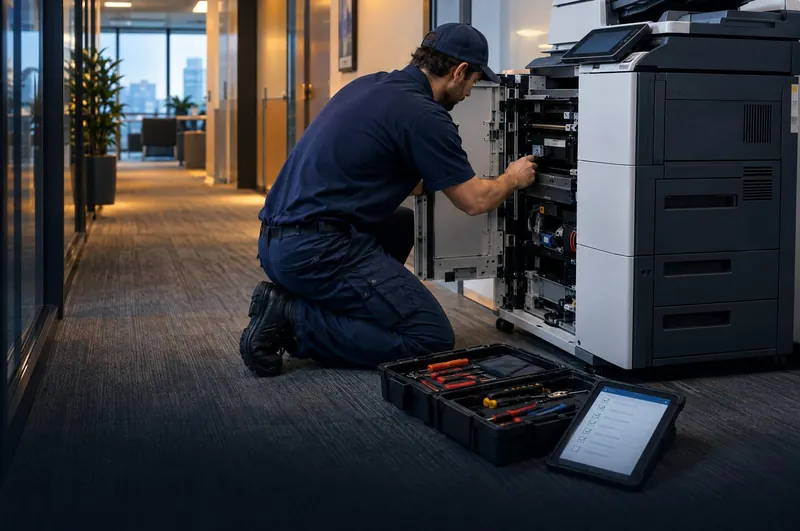
 Field service
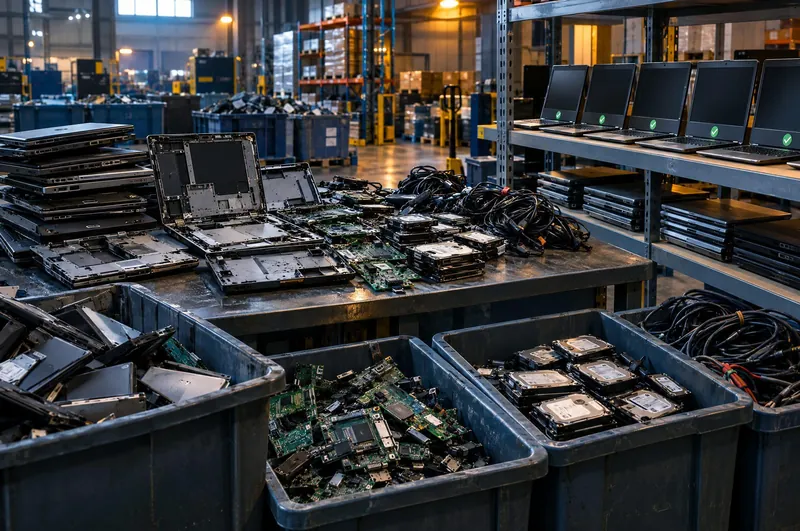
 E-waste and IT asset recovery

 Government and public sector

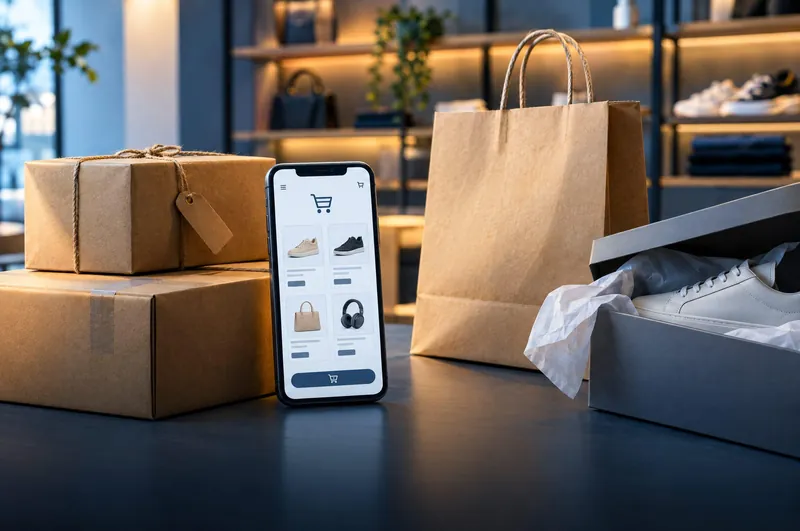
 Retail, e-commerce and D2C brands
 Retail, e-commerce and D2C brands
 Retail, e-commerce and D2C brands
 Manufacturing

- NewJaisaRetail, e-commerce and D2C brands
- Smart ChoiceRetail, e-commerce and D2C brands
- KISS UniversityEducation and skilling
- Sub Zero Insulation TechnologiesManufacturing
- JAT Metal PressingManufacturing
- Electrolab
What we have learnt, written down
Practical guides on ERP, integrations and applied AI, from the people who did the work.
All insights →From a business problem to a live system
Nine steps, one system forming as you watch. Step through it, or open the engineering detail at any point.
- Business problem Every engagement starts with how the business runs today, including the parts held together by people.
- Discovery Workshops with each function head turn scattered tools into one as-is map, then a to-be map.
- Architecture One system of record at the centre. Anything the standard does not do is planned as a separate app, never a patch.
- Design Portals, mobile screens and dashboards are drawn around the people who use them, on the same data model.
- Engineering Configuration and custom code move forward together, with a demo on your own data every fortnight.
- Integration Banks, tax portals, marketplaces and old systems connect through APIs instead of re-typing.
- Testing Your users run their own transactions through two test cycles, and the data is reconciled twice.
- Deployment Cutover happens without stopping the business, with a parallel run where the risk warrants it.
- Support and evolution Thirty days of hypercare, then support with agreed response times, then the next set of improvements.